A COLLECTOR’S REFERENCE SHELF
Good ammunition books, chosen for a reason.
Practical notes on what each title does well, where it falls short, and who should own it.
The essential shelf
Broad references to keep within reach when an unfamiliar cartridge turns up.
Best single-volume starting point
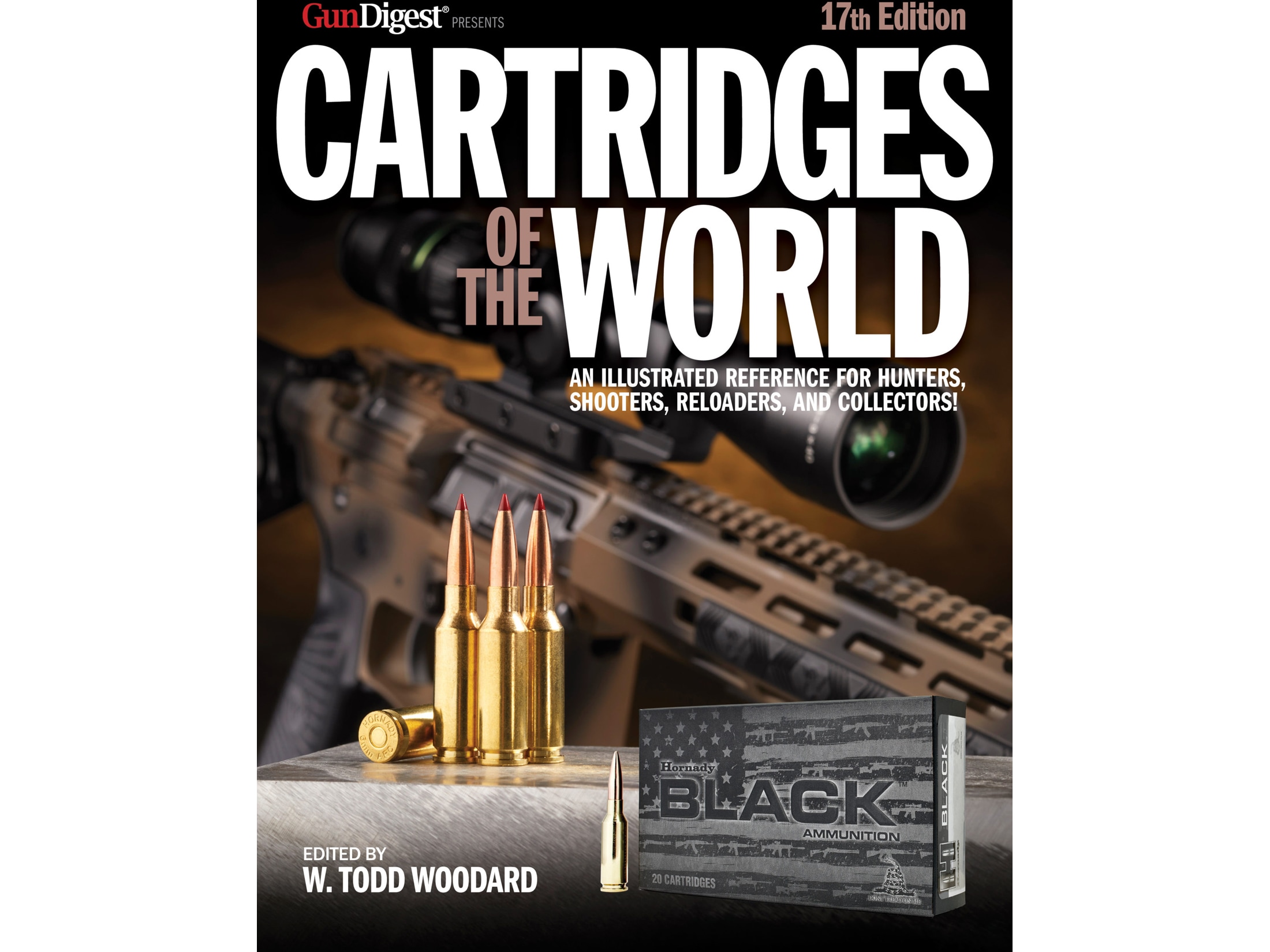
Cartridges of the World, 17th Edition
The most useful first purchase for general identification. Its wide sweep across sporting, military, obsolete, and proprietary cartridges makes it ideal for narrowing down an unknown round before moving to a specialist work.
Keep in mind: Breadth is the strength; rare variants and factory history often require a deeper source.
Best for understanding development
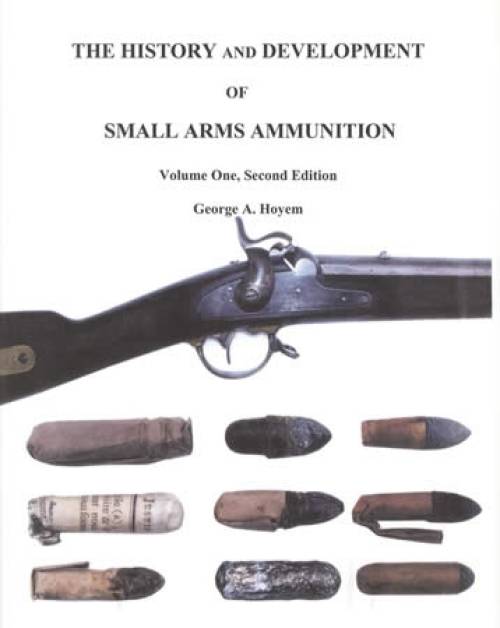
The History and Development of Small Arms Ammunition, Volume One
Hoyem connects the cartridge to the arm that fired it and explains the progression from muzzleloading systems through percussion breechloaders and rimfire. Dimensions and period illustrations make it a working reference as well as a history.
Keep in mind: This is one volume in a larger series, and clean copies can be costly.
Marks, makers & identification
Books built for reading bases, tracing manufacturers, and separating similar-looking cartridges.
Best practical headstamp desk guide
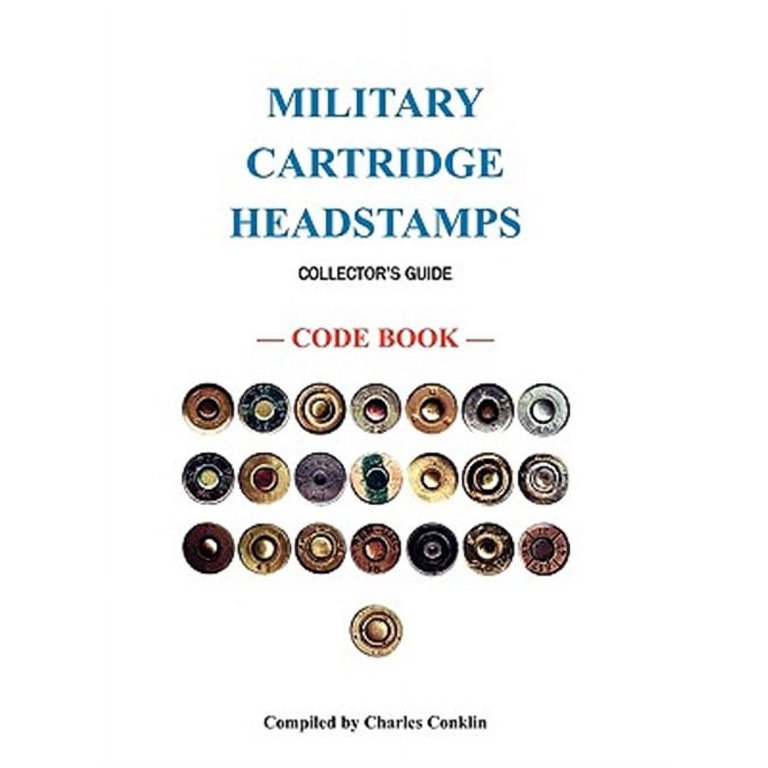
Military Cartridge Headstamps Collector’s Guide
A visual code book organized to help identify military headstamps by country and maker. Photographs, drawings, measurements, and an index make it faster to use at the desk than a narrative history.
Keep in mind: Use it as an identification lead, then verify unusual or newly documented marks elsewhere.
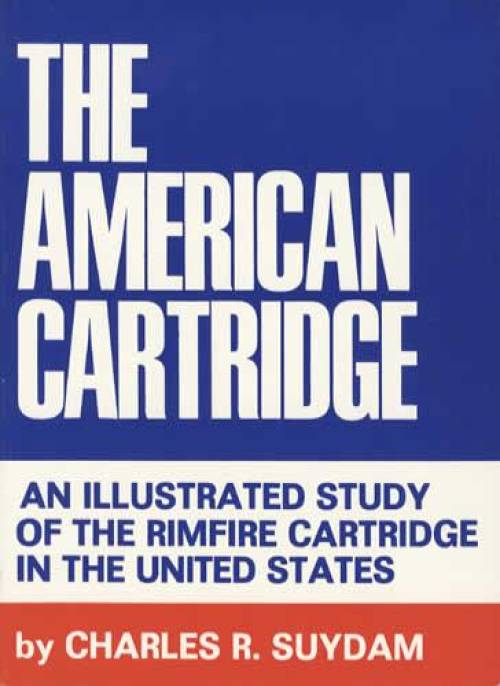
Classic American rimfire reference
The American Cartridge
A focused illustrated study of American rimfire cartridges, manufacturers, headstamps, and related boxes. Full-scale photographs and historical notes remain particularly helpful with early and obsolete specimens.
Keep in mind: It is a vintage reference, so later discoveries and revised attributions are outside its scope.
American Civil War
The core works for bullets, cartridges, arsenals, patents, and battlefield identification.
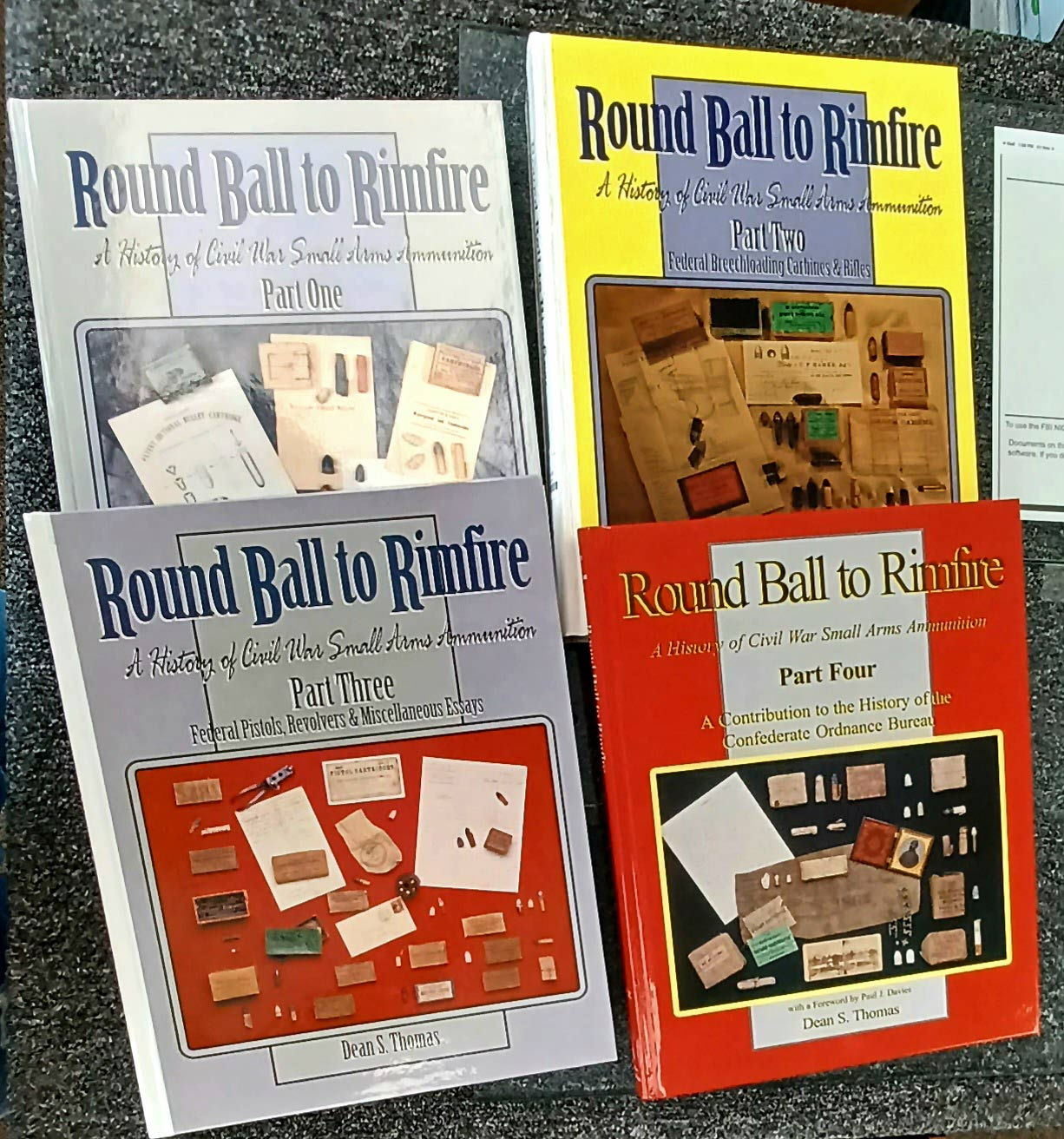
The deep research set
Round Ball to Rimfire
The most ambitious shelf-length treatment here. The series moves through Federal muzzleloading arms, breechloaders, handguns, and Confederate ordnance while tying surviving ammunition to arsenals, inventors, records, and wartime manufacture.
Keep in mind: Buy by part if your interest is narrow; the complete set is a substantial commitment.
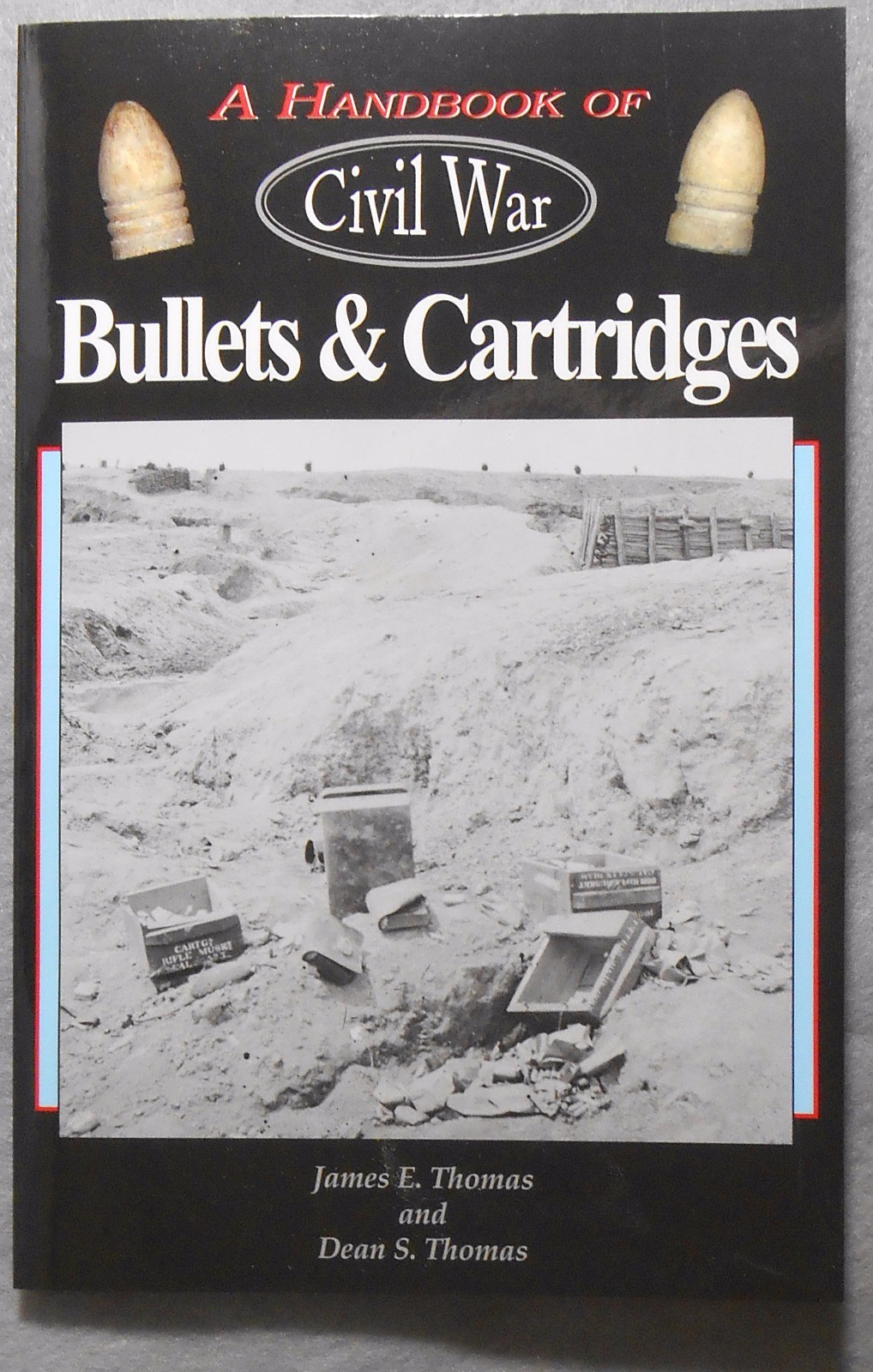
Best field-friendly Civil War guide
A Handbook of Civil War Bullets & Cartridges
A practical identification book with photographs, measurements, manufacturer notes, and a collector-minded structure. It is the easiest entry point before tackling the much larger Round Ball to Rimfire series.
Keep in mind: Compact by design; it cannot carry the documentary depth of the multi-volume history.
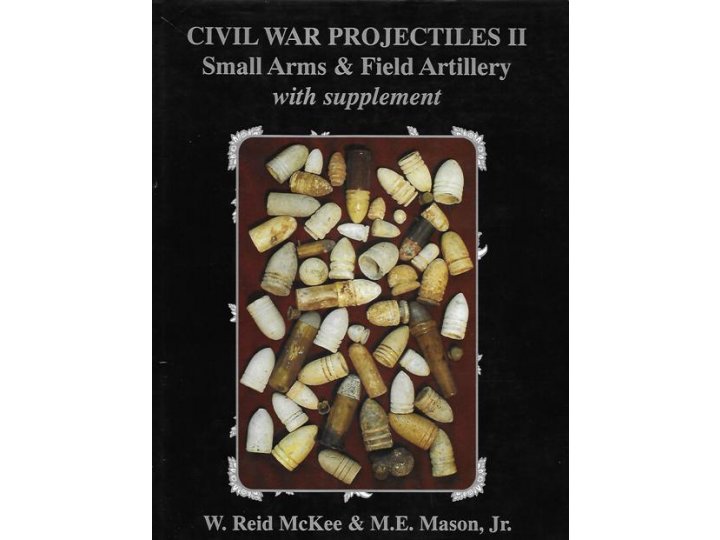
The classic numbering language
Civil War Projectiles II
Historically important because collectors still speak in McKee–Mason numbers. Its catalog of bullets, shells, fuses, grenades, and related projectiles makes it valuable for understanding older labels, collections, and sales descriptions.
Keep in mind: Later research corrected and expanded parts of the typology; keep a newer Thomas reference beside it.
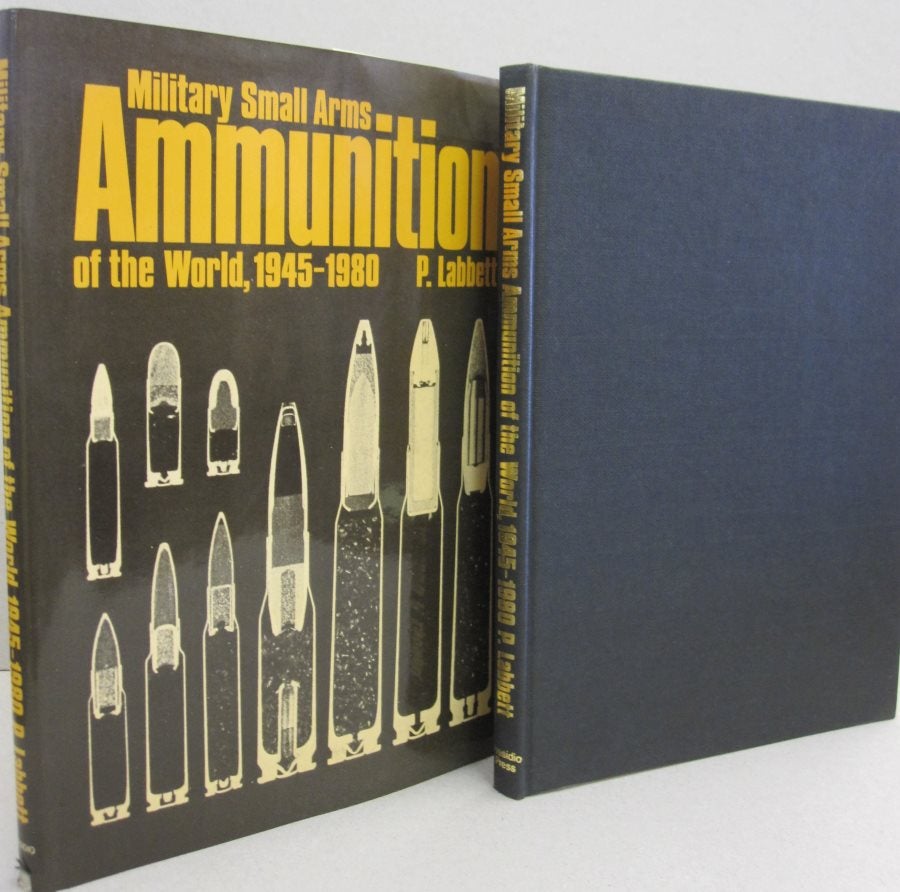
Modern military ammunition
A focused guide to postwar service cartridges, load types, color codes, and international producers.
Shotshells & packaging
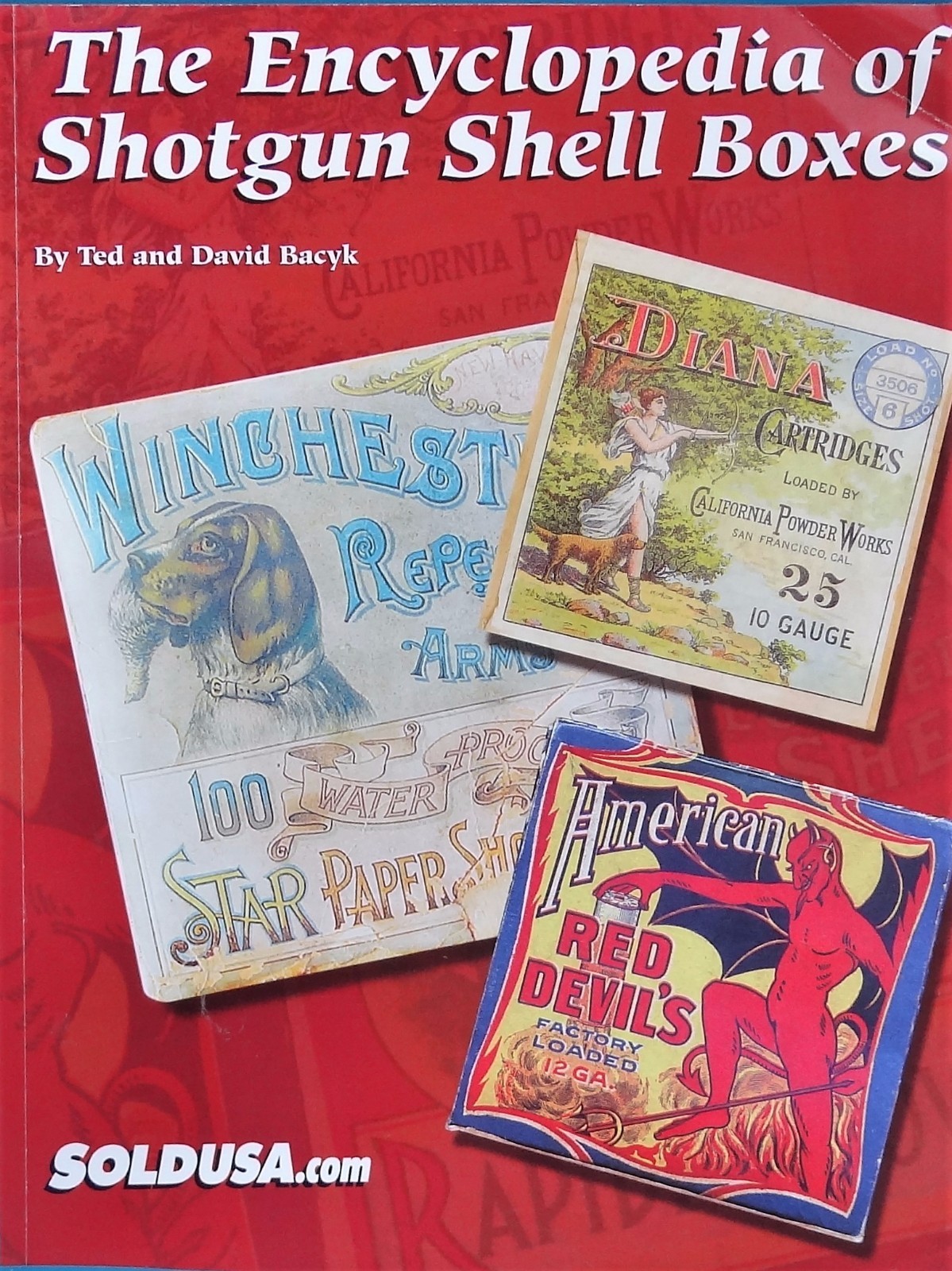
For identifying and dating the vivid paper boxes that are often as collectible as their contents.